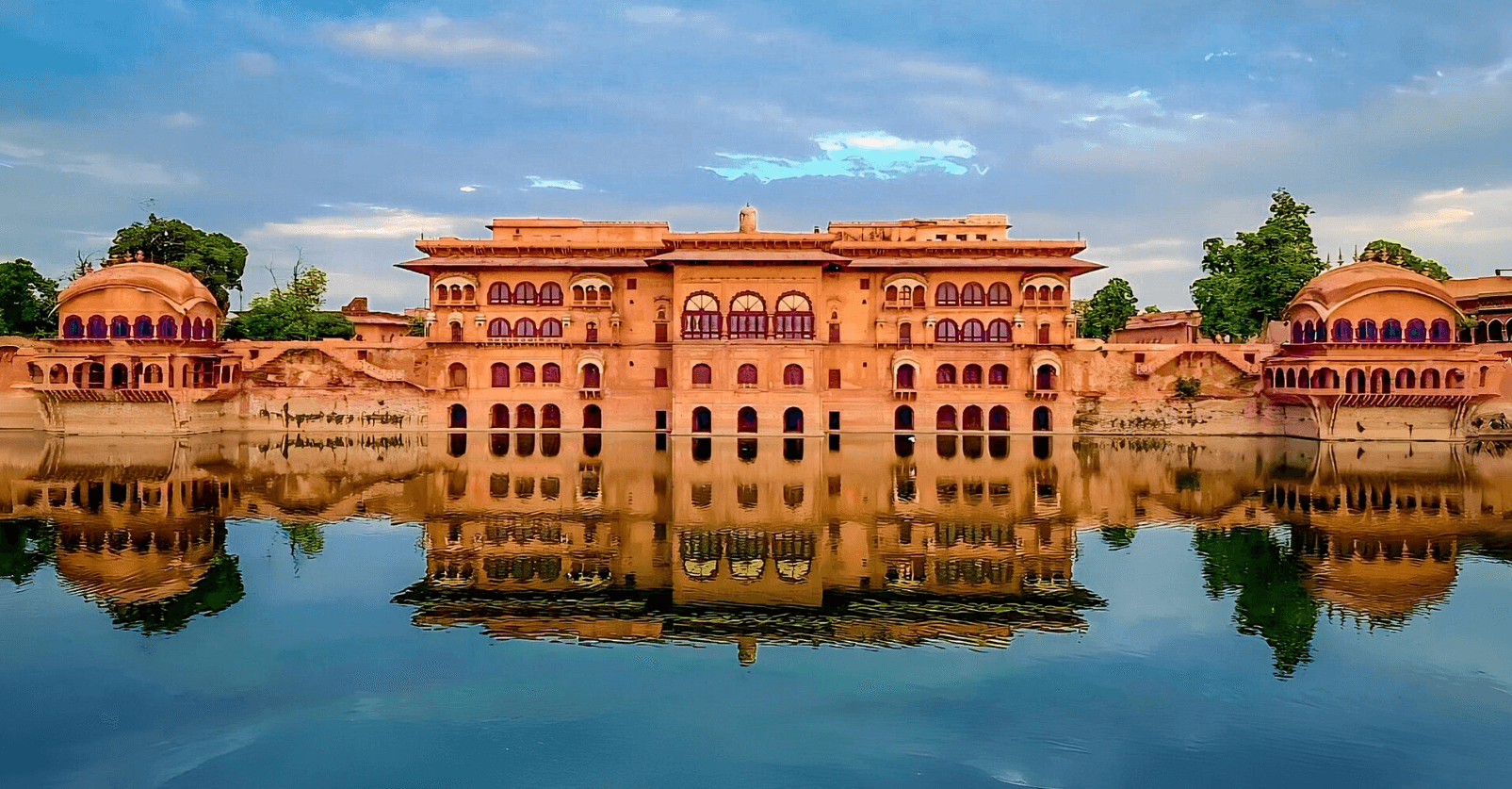
City of Deeg
Discover the majestic palaces, vibrant culture, and timeless heritage of Deeg — the historic capital of the Jat rulers of Bharatpur, nestled in the heart of eastern Rajasthan.
Explore Deeg
From magnificent palaces and delectable cuisine to comfortable stays and convenient travel — discover everything Deeg has to offer
Places to Visit
Explore the magnificent Deeg Palace, sprawling gardens, and nearby attractions including Bharatpur Bird Sanctuary, Mathura, and Agra.
Discover Places →Food & Cuisine
Savor traditional Rajasthani dishes, local sweets, and vibrant street food culture that reflects the rich culinary heritage of the Braj region.
Explore Cuisine →Stay in Deeg
Find comfortable accommodations from heritage hotels and charming homestays to budget-friendly guesthouses for every traveler.
Find Stays →How to Reach
Plan your journey to Deeg with detailed road, rail, and travel information from major cities like Delhi, Jaipur, Agra, and Mathura.
Plan Travel →Life in Deeg
Essential information about education, healthcare, markets, and transportation for residents and visitors
Education
Schools, colleges, and educational institutions serving the community of Deeg and surrounding areas.
Healthcare
Hospitals, clinics, and healthcare facilities providing medical services to residents and visitors.
Markets
Local bazaars, shops, and commercial areas offering traditional goods, daily essentials, and handicrafts.
Transport
Local and inter-city transport options connecting Deeg with neighboring towns and major cities.
Culture & Events
Experience the vibrant festivals, traditional fairs, and rich cultural life that make Deeg a living testament to Braj and Rajasthani heritage
Experience the vibrant festivals, traditional fairs, and rich cultural life that make Deeg a living testament to Braj and Rajasthani heritage
Deeg Mohotsav
A major celebration marking the founding of Deeg, featuring a procession (shobhayatra), sports (kabaddi, tug-of-war), a turban-tying competition, a mustache competition, and cultural evenings with folk artists.
Local Fairs & Melas
Traditional fairs and melas bring together communities from Deeg and surrounding areas, featuring local handicrafts, folk performances, cattle trading, and regional delicacies. These events are a window into the authentic rural life of eastern Rajasthan.
Deeg Water Festival
The famous 900 fountains in the palace gardens are turned on, creating a, monsoon-like atmosphere accompanied by light, sound, and a "thunder" effect.
Gallery
A visual journey through the palaces, gardens, streets, and festivals of Deeg
Travel Tips
Essential information to help you plan the perfect visit to Deeg
Best Time to Visit
October to March offers pleasant weather ideal for sightseeing and exploring the palace complex.
Palace Timings
Deeg Palace is generally open from sunrise to sunset. Check locally for current visiting hours and holidays.
Photography
The palace, gardens, and town offer incredible photography opportunities. Carry your camera for stunning heritage shots.
Stay Hydrated
Summers can be extremely hot. Carry water, wear light clothing, and plan outdoor activities for early morning or evening.
About Deeg
Discover the rich history, cultural significance, and vibrant life of this historic Rajasthani town
Introduction
Deeg is a historic town located in the eastern part of Rajasthan, close to the borders of Uttar Pradesh. Known for its grand palaces, beautiful gardens, and unique water architecture, Deeg once served as the capital of the Jat rulers of Bharatpur. The town is closely connected with the cultural region of Braj and has deep historical ties with nearby cities such as Bharatpur, Mathura, and Agra.
History of Deeg
Deeg's history is deeply intertwined with the rise of the Jat kingdom in the 18th century. Under the leadership of Maharaja Suraj Mal, Deeg served as the first capital of the Bharatpur State before the capital was shifted to Bharatpur city. The town witnessed several important battles and was fortified with massive walls and a moat that still partially survives today.
Deeg, located 32 km from Bharatpur in Rajasthan, was established as the first capital of the Jat state by Maharaja Badan Singh in the early 18th century (around 1722). His son, Maharaja Suraj Mal, further expanded and fortified the town, building the famous Deeg Palace and fortress complex around 1730.
It was developed as the summer capital of the Bharatpur and an impregnable fort, a blend of Mughal and Rajasthani architecture, with beautiful Jal Mahals and fountains.
Deeg Palace stands as the most prominent landmark of the town. Built in the 18th century, the palace complex includes elegant pavilions, courtyards, fountains, and gardens inspired by Mughal architecture. The water systems and fountains were designed to function naturally, reflecting advanced engineering of the time.
The Jat rulers of Deeg were known for their bravery and military prowess. They successfully defended Deeg against multiple sieges, including attacks by Mughal forces and later British campaigns. The town's strategic location between Delhi, Agra, and Jaipur made it a significant political and military center in the region.
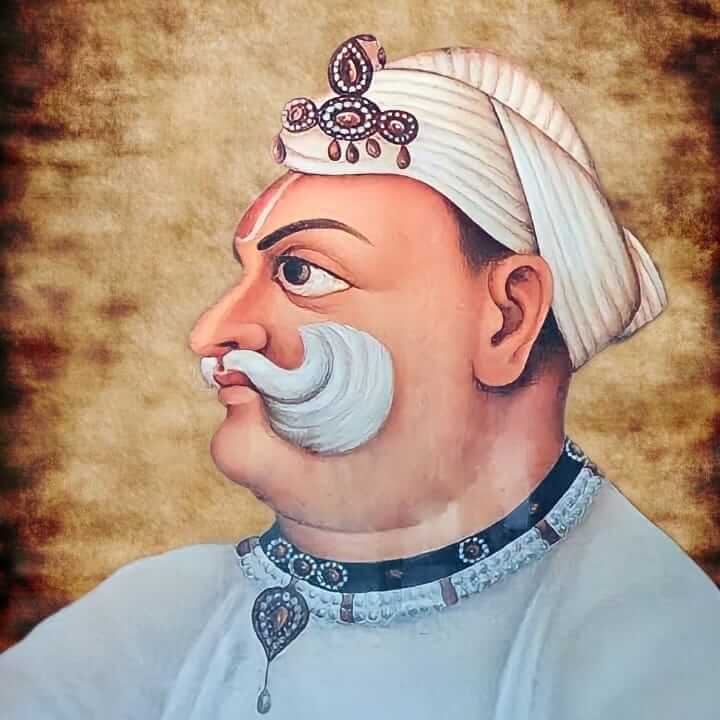
Maharaja Badan Singh
Founder of Deeg
Maharaja Badan Singh is known as the founder of Deeg and built the early palace structures. Deeg was created with establishing the town as the headquarters of the Jat kingdom. He Also known as "Brajraj".
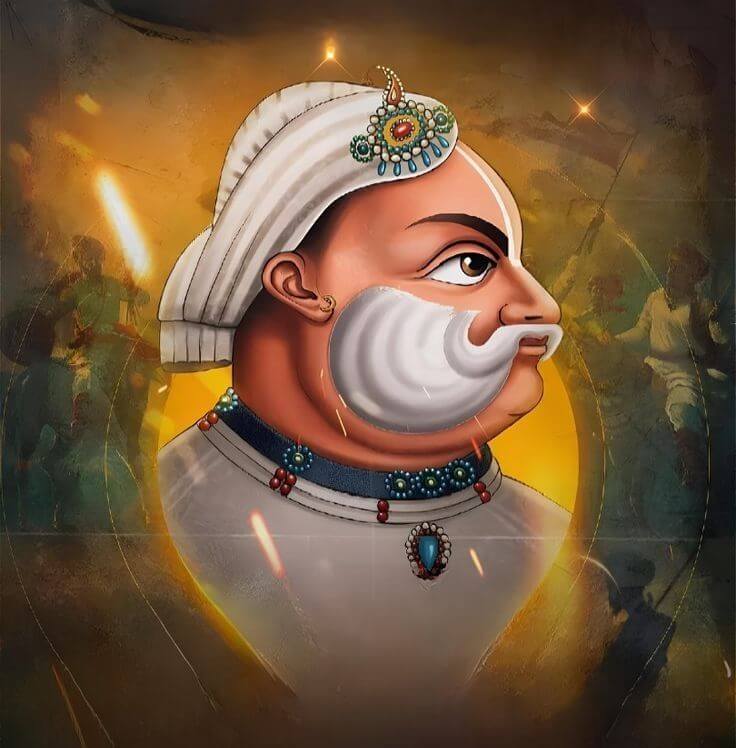
Maharaja Suraj Mal
Plato of the Jats
Maharaja Suraj Mal, son of Badan Singh, built the strong Deeg Fort (also known as Jal Mahal) in 1730, featuring massive walls and a moat to protect the palace including the, 900 fountains, and gardens. He also known as "The Iron Ruler of Bharatpur", "Invincible Warrior".
Cultural Importance
Culturally, Deeg reflects a blend of Rajasthani and Braj traditions. Festivals, fairs, and local customs continue to play an important role in the daily life of residents. The town maintains a strong connection to its heritage while gradually developing modern facilities and infrastructure.
The Braj cultural influence is evident in the music, dance, cuisine, and religious practices of the region. Festivals like Holi, Diwali, Janmashtami, and various local melas bring the community together and showcase the living traditions of the area.
Geography & Location
Geographically, Deeg is situated in the Bharatpur district region and serves as a local center for nearby rural areas. The town lies in the semi-arid plains of eastern Rajasthan, close to the border with Uttar Pradesh. Road connectivity links Deeg with Bharatpur, Mathura, and other nearby towns, making it accessible for visitors and residents.
The surrounding landscape features agricultural plains, seasonal water bodies, and the characteristic terrain of the Braj region. The climate is typical of the northern Indian plains — hot summers, mild winters, and a monsoon season that transforms the landscape.
Deeg Today
Today, Deeg is known for its historical significance, cultural identity, and growing role in regional tourism. With continued focus on heritage conservation and tourism development, Deeg holds potential to become an important cultural destination in eastern Rajasthan.
The Archaeological Survey of India (ASI) maintains the Deeg Palace complex, ensuring the preservation of this architectural treasure for future generations. Local efforts are underway to improve tourism infrastructure, promote awareness of Deeg's heritage, and develop sustainable tourism practices.
Places to Visit
Explore magnificent palaces, serene gardens, and nearby attractions that make Deeg a must-visit destination
Deeg Palace — The Crown Jewel
Deeg Palace is the most significant landmark of the town and one of the finest examples of combined Rajput and Mughal architecture in India. Built in the 18th century by Maharaja Suraj Mal, the palace complex sprawls across a vast area with multiple structures, each reflecting exquisite craftsmanship.
The complex includes the Gopal Bhawan, Nand Bhawan, Kishan Bhawan, and the impressive Keshav Bhawan — a monsoon palace designed with an ingenious system of fountains and water channels that simulate the experience of rainfall.
The palace's water engineering is particularly remarkable. Hundreds of fountains were designed to operate using a gravity-based system, creating spectacular water displays that would enchant visitors and royalty alike. During the monsoon season, the palace grounds transform into a mesmerizing water garden.
Visiting Tips: Plan to spend at least 2-3 hours exploring the palace complex. Early morning visits offer the best light for photography and fewer crowds. Comfortable walking shoes are recommended as the complex is extensive.
More Places to Explore
🌿 Palace Gardens
The gardens surrounding Deeg Palace are designed in the Mughal style with symmetrical layouts, water channels, and lush greenery. They offer peaceful walks and beautiful views of the palace architecture.
🏯 Deeg Fort
The historic fort of Deeg, with its massive walls and moat, stands as a testament to the military strength of the Jat rulers. The fortifications offer panoramic views of the surrounding countryside.
⛲ Historic Fountains
Deeg's fountain system is an engineering marvel of the 18th century. The gravity-based water system was designed to create elaborate water displays without modern pumping mechanisms.
🦅 Bharatpur Bird Sanctuary
Keoladeo National Park (UNESCO World Heritage Site) in nearby Bharatpur is one of the world's most important bird breeding and feeding grounds, hosting over 350 species of birds.
🕌 Mathura & Vrindavan
The holy cities of Mathura and Vrindavan, birthplace of Lord Krishna, are easily accessible from Deeg and offer magnificent temples, ghats, and spiritual experiences.
🏛️ Agra & Taj Mahal
The iconic Taj Mahal and Agra Fort are within a comfortable day-trip distance from Deeg, making it possible to combine heritage tourism across the region.
Food & Cuisine
Savor the authentic flavors of Rajasthani and Braj cuisine in the heart of Deeg
Taste of Deeg
A culinary journey through the traditional dishes, sweets, and street food that define the gastronomic heritage of this historic town
Traditional Rajasthani Dishes
Deeg's cuisine features classic Rajasthani dishes like Dal Baati Churma, Gatte ki Sabzi, Ker Sangri, and Papad ki Sabzi. These dishes are known for their robust flavors, use of ghee, and traditional cooking methods passed down through generations. The local kitchens also prepare delicious Bajra Roti and Missi Roti served with seasonal vegetables and homemade butter.
Local Sweets
The sweet tradition of Deeg is influenced by both Rajasthani and Braj cultures. Local favorites include Peda, Malpua, Ghevar, Rabri, and various milk-based delicacies. The town's sweet shops prepare fresh sweets daily using traditional recipes with pure ghee, milk, and dry fruits. Mathura's famous Peda is also widely available given the proximity.
Street Food Culture
Deeg's streets offer a delightful array of snacks and street food. Kachori, Samosa, Chaat, Pakora, and fresh Lassi are staples of the local street food scene. The town's market areas come alive in the evenings with food stalls serving hot snacks, fresh juices, and traditional beverages. The Braj influence brings unique preparations like Aloo Puri and special Chaat varieties not found elsewhere.
Stay in Deeg
Find comfortable accommodations for every budget and preference
Where to Stay
From heritage experiences to budget-friendly options, Deeg offers a range of accommodations for travelers
Hotels
Deeg and the surrounding area offer several hotel options ranging from standard to comfortable lodging. These hotels provide basic amenities including clean rooms, dining facilities, and helpful staff. Hotels in nearby Bharatpur offer additional options with more variety in terms of services and room categories.
Standard to Mid-RangeHomestays
For a more authentic experience, homestays in and around Deeg offer visitors a chance to live with local families, enjoy home-cooked Rajasthani meals, and experience the daily life and culture of the town firsthand. Homestays are ideal for travelers seeking genuine cultural immersion and personal connections.
Authentic ExperienceBudget Stays
Budget-conscious travelers will find affordable guesthouses and lodges in Deeg town. These provide clean, basic accommodation at economical rates. For more options, the nearby city of Bharatpur (approximately 30 km) offers a wider range of budget accommodations with easy connectivity to Deeg.
Pocket-FriendlyAccommodation Tips
- Book in advance during peak tourist season (October–March) and festival periods
- Bharatpur offers more accommodation variety and is only 30 km from Deeg
- Ask about meal packages — many stays offer traditional Rajasthani thali meals
- Homestays often provide guided tours and local insights at no extra charge
- Check for proximity to Deeg Palace when booking to minimize travel time
How to Reach Deeg
Plan your journey to this historic town with detailed travel information
Getting to Deeg
Deeg is well connected to major cities in northern India through road and rail networks
By Road
Deeg is well connected by road with Bharatpur, Mathura, and Agra. Regular buses and private taxis operate from nearby cities. Road travel is the most convenient way to reach Deeg. The roads are generally well-maintained, and the journey offers scenic views of the Rajasthani and Braj countryside. Self-drive is also a popular option with clear signage on major routes.
By Rail
The nearest major railway stations are Bharatpur Junction and Mathura Junction, both well connected to major cities like Delhi, Jaipur, Agra, and Mumbai. From these stations, Deeg can be reached by taxi or bus. Bharatpur Junction is approximately 30 km from Deeg, while Mathura Junction is about 35 km away. Both stations have frequent train services.
By Air
The nearest airports are Agra Airport (approximately 100 km) and Jaipur International Airport (approximately 200 km). Indira Gandhi International Airport in Delhi (approximately 200 km) offers the widest range of domestic and international flights. From any of these airports, Deeg can be reached by taxi or through connecting rail and bus services.
Nearest Cities & Distances
Travel Tips
The best time to visit Deeg is during the winter months (October to March) when the weather is pleasant for sightseeing. Summer months can be very hot, so if traveling during summer, plan outdoor activities for early morning or evening hours. Carry sufficient water and sun protection during warmer months. Local transport within Deeg includes auto-rickshaws and cycle-rickshaws.
Life in Deeg
Essential information about education, healthcare, markets, transport, and daily life in Deeg
🎓 Education
Deeg has a growing educational infrastructure serving the town and surrounding rural areas. The town hosts several government and private schools offering education from primary to senior secondary levels. These institutions follow the Rajasthan State Board and CBSE curricula, providing students with foundational education.
For higher education, students often travel to nearby cities like Bharatpur, Mathura, or Agra, which offer colleges and universities with diverse academic programs. Efforts are ongoing to expand educational facilities within Deeg to serve the growing needs of the community.
🏥 Healthcare
Healthcare services in Deeg include a government hospital and several private clinics providing primary and emergency medical care. The government healthcare center serves as the main medical facility for the town and surrounding villages, offering basic diagnostic, treatment, and maternal care services.
For specialized medical treatment and advanced healthcare needs, residents typically travel to Bharatpur, Mathura, or Agra, which have larger hospitals and specialty care facilities. Pharmacies and medical shops in Deeg provide essential medicines and healthcare products.
🛒 Markets
Deeg's markets are vibrant centers of local commerce and community life. The main market area features shops selling daily essentials, clothing, agricultural supplies, and household goods. The traditional bazaar reflects the local culture and offers visitors a glimpse into everyday life in the town.
Weekly haats (markets) attract vendors and buyers from surrounding villages, trading in agricultural produce, livestock, handicrafts, and textiles. These markets are an important economic and social institution for the region.
🚌 Transport
Local transport within Deeg consists primarily of auto-rickshaws, cycle-rickshaws, and private vehicles. These provide convenient mobility within the town for residents and visitors. For inter-city travel, regular bus services connect Deeg with Bharatpur, Mathura, and other nearby towns.
The road network linking Deeg with major cities is generally well-maintained. Shared jeeps and tempos also operate on popular routes, providing affordable transportation options for daily commuters.
🏛️ Administration
Deeg serves as a local administrative center within the Bharatpur district of Rajasthan. The town has local governance structures that manage civic services, land records, and public welfare programs. Various government offices and service centers operate in the town to serve residents of Deeg and the surrounding area.
Note: This section provides general information only. For official administrative details, please contact the relevant government authorities.
Business & Opportunities
Discover the economic potential and business landscape of Deeg
Local Economy
Deeg's economy is primarily driven by agriculture, local trade, and an emerging tourism sector. The fertile agricultural lands surrounding the town support crop production including wheat, mustard, and seasonal vegetables. Dairy farming and animal husbandry also contribute significantly to the local economy.
The town serves as a regional trade center for nearby rural communities, with its markets handling the exchange of agricultural produce, daily essentials, and traditional goods. Small-scale manufacturing and handicraft production provide additional employment opportunities.
Key Business Areas
- Agriculture & Dairy: Crop cultivation, dairy farming, and agri-processing
- Local Retail & Trade: Shops, market stalls, and wholesale trade
- Tourism & Hospitality: Hotels, homestays, guides, and food services
- Handicrafts & Artisans: Traditional crafts, pottery, and textile work
- Transportation: Local transport services and logistics
- Food & Sweets: Sweet shops, eateries, and catering services
Tourism Potential
Deeg's location on the extended Golden Triangle tourism circuit — connecting Delhi, Agra, and Jaipur — gives it significant potential for heritage tourism development. The Deeg Palace complex, combined with nearby attractions like Bharatpur Bird Sanctuary, Mathura, and Vrindavan, creates opportunities for multi-day tourism packages.
Areas with particular growth potential include heritage tourism, cultural tourism, eco-tourism, homestay hospitality, local food tourism, and craft-based souvenir businesses. As awareness of Deeg's heritage grows, so does the opportunity for tourism-related entrepreneurship.
📋 List Your Business
We are building a comprehensive business directory for Deeg. If you run a business in Deeg and would like to be listed, please get in touch.
Culture & Events
Experience the vibrant festivals, traditional fairs, and rich cultural heritage of Deeg
Deeg Mahotsav – Famous Cultural Festival of Deeg, Rajasthan
Deeg Mahotsav | Deeg Festival Rajasthan | Deeg Palace Fountain Show
Deeg Mahotsav is the most celebrated annual cultural festival of Deeg, Rajasthan, held every year in the month of October. This vibrant festival beautifully showcases the rich heritage, royal history, traditional art forms, and cultural spirit of Deeg city.
Organised jointly by the Rajasthan Tourism Department and the local district administration, Deeg Mahotsav plays a significant role in promoting tourism in eastern Rajasthan. The festival attracts thousands of visitors, including residents and tourists from nearby cities such as Bharatpur, Mathura, and Agra, as well as travellers exploring Rajasthan’s famous cultural events.
During Deeg Mahotsav, the historic town comes alive with folk music and dance performances, cultural programs, traditional competitions, exhibitions, and community celebrations that reflect the glorious past of Deeg. The event not only strengthens local traditions but also boosts tourism and highlights Deeg as an important cultural destination in Rajasthan.
History of Deeg Mahotsav
The history of Deeg Mahotsav is closely connected with the grand Deeg Palace, built in the 18th century by the Jat rulers of Bharatpur. Deeg once served as the summer capital of the Bharatpur kingdom and became famous for its beautiful palaces, gardens, and advanced water fountain system.
To celebrate this royal heritage and highlight Deeg’s architectural beauty, the annual Deeg Festival was introduced. Over time, it has grown into one of the most important cultural festivals in the Bharatpur region.
Major Attractions of Deeg Mahotsav

Grand Shobhayatra
Royal Procession
The festival begins with a colourful procession through the streets of Deeg. Participants wear traditional Rajasthani attire, and local cultural groups perform folk music and dance. The procession reflects the royal and rural traditions of the region.
Traditional Sports and Competitions
Deeg Mahotsav includes exciting traditional competitions such as:
Kabaddi matches
Tug of war
Turban tying competition
Mustache competition
Traditional dress contests
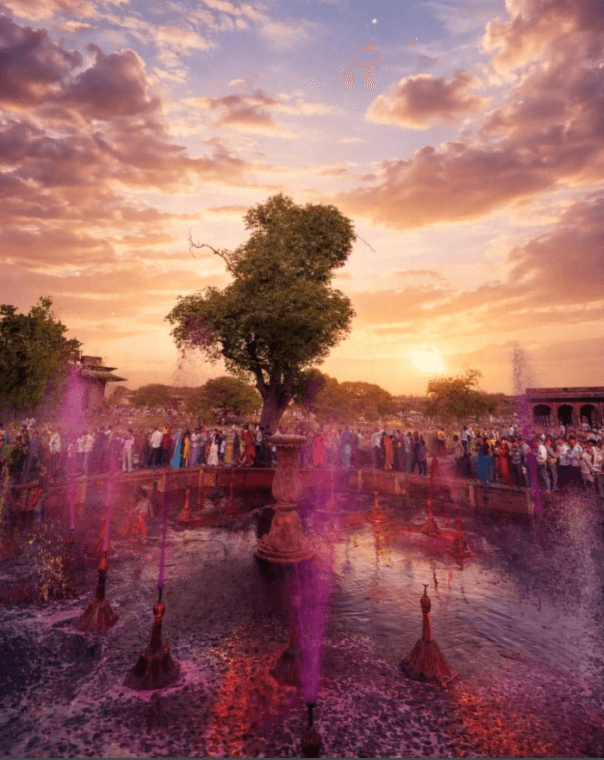
Deeg Palace Fountain Show
The main highlight of Deeg Mahotsav is the grand fountain show at Deeg Palace. During the festival, the 18th-century water system is activated, bringing over 900 fountains to life across the palace gardens. Powered by a unique gravity-based mechanism without modern pumps, it is considered one of the most remarkable historic fountain systems in the world and a must-see attraction in Deeg.
Deep Daan Ceremony
As night approaches, oil lamps are lit around the palace complex in a beautiful “Deep Daan” ceremony. The illuminated palace and fountains create a stunning visual experience.
Cultural Night Performances
The festival concludes with folk music, Rajasthani dance performances, and stage shows by regional artists, celebrating the artistic traditions of Rajasthan and the Braj region.
Dates & Timings
Dates: October 10-11 (Annually)
Location: Deeg Palace, Deeg District, Rajasthan
Highlights:
Day 1: Deeg
- 8:30 A.M.: Shobhayatra (Procession)
- 10:00 A.M. onwards: Kabaddi, Mustache, Turban-tying, and Dress Competitions
- 4:00 P.M.: Operation of historic, colorful fountains at Deeg Palace
- Evening: Deep Daan (lighting lamps) at Gopal Sagar and cultural performances
Day 2: Kaman (Kamvan)
- 09:00 AM onwards: Lathmar Holi and other festivities at main temples.
- 04:00 PM: Phoolon ki Holi (Flower Holi) and Lathmar Holi.
- 06:00 PM: Maha Aarti and Deepdaan at Vimal Kund.
- Evening: Closing cultural program at Kot Upar Stadium.

Deeg Braj Holi – Royal Holi Celebration at Deeg Palace, Rajasthan
Deeg Braj Holi | Holi at Deeg Palace | Braj Holi Festival Rajasthan
Deeg Braj Holi is one of the most vibrant and unique Holi celebrations in Rajasthan. Celebrated in the historic town of Deeg, this festival reflects the colourful traditions of the Braj region and the royal heritage of Deeg.
The celebration takes place at the magnificent Deeg Palace, where thousands of visitors gather to witness a grand display of colours, fountains, music, and cultural performances.
Deeg Braj Holi is considered one of the most special Holi celebrations near the Braj region, attracting visitors from Mathura, Vrindavan, Bharatpur and other nearby cities.
History of Deeg Braj Holi
Deeg shares strong cultural connections with the Braj region, which is traditionally associated with Lord Krishna and the festival of Holi. Since Deeg was once the summer capital of the Bharatpur Jat rulers, royal Holi celebrations were historically organized in the palace complex.
Over time, these royal celebrations evolved into the modern-day Deeg Braj Holi festival. The Rajasthan Tourism Department and local administration now help organize and promote this grand event to showcase Deeg’s cultural and historical importance.
The palace fountains, originally built in the 18th century, play a central role in the Holi celebration, making it different from ordinary Holi festivals.
How Deeg Celebrates Holi
Grand Palace Celebration
The main celebration takes place inside Deeg Palace, where the courtyards and gardens become filled with colours, music, and festive energy. Visitors experience Holi in a royal setting surrounded by historic architecture.
Famous Colourful Fountain Show
The biggest attraction of Deeg Braj Holi is the historic fountain system. During the celebration:
Palace fountains spray coloured water
Traditional drums and music are played
The entire palace complex turns vibrant with colours
This unique combination of fountains and Holi colours makes Deeg Braj Holi famous across Rajasthan.
Folk Music and Dance Performances
Cultural programs include:
Rajasthani folk dances
Braj devotional songs
Traditional Holi songs
Live music performances
These performances highlight the blend of Rajasthani and Braj traditions.
Community Participation
Local residents, tourists, artists, and performers all take part in the celebration. The festival reflects unity, joy, and cultural pride.
Why Deeg Braj Holi is Famous
Deeg Braj Holi is famous because:
- It is celebrated at the historic Deeg Palace.
- The 18th-century fountains spray coloured water.
- It combines Braj Holi traditions with royal Rajasthani heritage.
- Offers a less crowded alternative to Mathura and Vrindavan Holi.
The combination of palace architecture, water fountains, music, and colours creates a truly unforgettable Holi experience.
Dates & Timings
Deeg Braj Holi is celebrated a few days before the main Holi festival, usually in March (depending on the Hindu calendar). Visitors are advised to check official announcements for exact dates each year.
It is recommended to arrive early in the morning to fully enjoy the fountain show and cultural performances.
Jawahar Exhibition Deeg – Famous Fair & Mela in Deeg, Rajasthan
Jawahar Exhibition Deeg | Deeg Fair & Mela Rajasthan
The Jawahar Exhibition Deeg is one of the most popular annual fairs (mela) in Deeg, Rajasthan. This grand exhibition blends entertainment, shopping, cultural programs, and local business promotion, making it a major attraction for both residents and tourists. Organised every year with the support of the local administration, the Jawahar Exhibition has become a key highlight in Deeg’s cultural calendar.
Visitors to the exhibition can enjoy amusement rides, handicraft stalls, local food vendors, traditional performances, and various commercial displays. The event not only promotes local businesses and artisans but also strengthens the town’s cultural identity.
Traditional fairs and melas are an integral part of Deeg’s rich cultural heritage. These vibrant gatherings bring together people from the town and nearby rural areas for tradeobjective, entertainment, and social interaction.
In addition, religious melas connected with local temples and seasonal festivals attract pilgrims and visitors from nearby districts. These fairs play an important role in preserving traditional customs, promoting tourism in Deeg, and strengthening community bonds.
History of Jawahar Exhibition in Deeg
The Jawahar Exhibition was introduced to promote local trade, small businesses, handicrafts, and community participation in Deeg. Over the years, it has developed into a large-scale fair featuring stalls, exhibitions, rides, and evening cultural programs.
The exhibition reflects the growing urban and social development of Deeg while maintaining its traditional fair atmosphere.
Today, Jawahar Exhibition Deeg is considered one of the most awaited fairs and melas in the Bharatpur region.
Main Attractions of Jawahar Exhibition Deeg
Shopping Stalls & Exhibitions
The fair includes numerous stalls offering:
Handicrafts
Household items
Clothing & textiles
Local products
Food stalls & sweets
Local businesses and traders participate actively, making it an important commercial event in Deeg.
Amusement Rides & Entertainment
The exhibition features:
Giant wheel rides
Children’s amusement rides
Fun games & activity zones
Families and children especially enjoy the festive atmosphere of the mela.
Cultural Programs & Stage Shows
Evening programs often include:
Folk music performances
Dance programs
School and college cultural shows
Community performances
These events promote local talent and strengthen community participation.
Food & Local Cuisine
Visitors can enjoy:
Traditional Rajasthani snacks
Street food
Local sweets
Festival special dishes
The food stalls are one of the major highlights of Jawahar Exhibition Deeg.
Why Jawahar Exhibition is Famous in Deeg
The Jawahar Exhibition Deeg is famous as one of the largest and most anticipated annual fairs in Deeg. Recognized as a major cultural and commercial event, the exhibition attracts thousands of visitors every year and plays a significant role in promoting tourism in Deeg, Rajasthan.
One of the main reasons for its popularity is its strong support for local trade and small businesses. The fair provides a platform for shopkeepers, artisans, and entrepreneurs to showcase their products, including handicrafts, textiles, household goods, and local food items. This makes Jawahar Exhibition an important business and shopping destination during the mela season.
The exhibition is also famous for offering a complete entertainment experience. Visitors can enjoy shopping stalls, amusement rides, giant wheels, food courts, and evening cultural programs all in one place. This combination of shopping, rides, and stage performances makes it one of the most vibrant fairs in the Bharatpur region.
Another key reason for its popularity is the large number of visitors arriving from nearby towns such as Bharatpur and surrounding rural areas. Families, children, and youth gather to celebrate the festive atmosphere, making it a truly community-centered event.
Because of its cultural significance, commercial importance, and family-friendly environment, Jawahar Exhibition continues to strengthen the local economy and enhance the identity of Deeg as a growing cultural destination in eastern Rajasthan.
Dates & Timings
The exhibition is usually organized once a year (dates may vary). Visitors are advised to check local announcements for the latest schedule.
Evenings are the best time to visit, as the fair becomes lively with lights, music, and stage performances.
Deeg Water Festival – Famous Fountain Festival at Deeg Palace, Rajasthan
Deeg Water Festival 2026 | Fountain Festival at Deeg Palace Rajasthan
The Deeg Water Festival is one of the most unique heritage events in Deeg, Rajasthan. This grand celebration highlights the historic water engineering system of Deeg Palace, renowned for its magnificent 18th-century fountains and Mughal-inspired gardens.
During the festival, the royal fountain system is activated, creating a spectacular water display that reflects the architectural brilliance of the Jat rulers. The event attracts tourists, photographers, history lovers, and cultural enthusiasts who visit Deeg to witness this rare combination of heritage, engineering, and royal ambiance.
History of Deeg Water Festival
Deeg Palace was built in the 18th century by the Jat rulers of Bharatpur and is known for its advanced gravity-based water system. The palace complex includes reservoirs, canals, and fountains designed to operate without modern pumps.
To celebrate this remarkable water architecture, the Deeg Water Festival is organized as a special event showcasing the functioning of these historic fountains. Over time, it has become an important attraction in Deeg tourism and Rajasthan heritage events.
Major Attractions of Deeg Water Festival
Historic Fountain Show
The main highlight of the Deeg Water Festival is the activation of the palace fountains. Water flows through the historic channels, creating a stunning display across the courtyards and gardens.
During special evenings, the fountains may be illuminated, creating a magical atmosphere for visitors.
Royal Palace Setting
The festival takes place inside the grand Deeg Palace complex, surrounded by beautiful gardens and historic pavilions. The architectural symmetry and reflection of water create perfect photography opportunities.
Cultural Programs
The event may include:
Folk music performances
Traditional dance programs
Cultural stage shows
Heritage awareness activities
The event may include:
These programs enhance the cultural importance of the water festival.
Tourism Promotion
The Deeg Water Festival plays an important role in promoting heritage tourism in eastern Rajasthan. It attracts visitors from nearby cities such as:
Bharatpur
Govardhan
Mathura
Agra
Tourists often combine the festival visit with other nearby heritage destinations.
Dates & Timings
The festival is usually organized during special heritage events or alongside major celebrations in Deeg. The best time to visit Deeg for fountain shows is between October and March, when the weather is pleasant.
Visitors are advised to check official announcements for exact festival dates.
Gallery
A visual celebration of Deeg's palaces, streets, festivals, and daily life
🏰 Palaces & Architecture
🏘️ Streets & Daily Life
Town Streets
Local Market
Countryside
🎭 Festivals & Culture
Holi Celebration
Contact Us
Get in touch — we welcome your questions, suggestions, and collaboration ideas
We'd Love to Hear From You
Whether you're a visitor planning a trip, a resident with suggestions, a researcher studying Deeg's heritage, or someone interested in collaborating — we welcome your messages and ideas.
Email Us
info@cityofdeeg.com
Location
Deeg, Bharatpur District, Rajasthan, India
Website
www.cityofdeeg.com
💡 We invite collaboration! If you have photographs, historical information, stories, or suggestions that could enrich this portal, please reach out. We're building this as a community resource and every contribution helps make it better for everyone.
Send Us a Message
Fill out the form below and we'll get back to you as soon as possible.