About Deeg
Deeg is a historic town located in the eastern part of Rajasthan, close to the borders of Uttar Pradesh. Known for its grand palaces, beautiful gardens, and unique water architecture, Deeg once served as the capital of the Jat rulers of Bharatpur. The town is closely connected with the cultural region of Braj and has deep historical ties with nearby cities such as Bharatpur, Mathura, and Agra.
Introduction
History of Deeg
Deeg's history is deeply intertwined with the rise of the Jat kingdom in the 18th century. Under the leadership of Maharaja Suraj Mal, Deeg served as the first capital of the Bharatpur State before the capital was shifted to Bharatpur city. The town witnessed several important battles and was fortified with massive walls and a moat that still partially survives today.
Discover the rich history, cultural significance, and vibrant life of this historic Rajasthani town
Deeg, located 32 km from Bharatpur in Rajasthan, was established as the first capital of the Jat state by Maharaja Badan Singh in the early 18th century (around 1722). His son, Maharaja Suraj Mal, further expanded and fortified the town, building the famous Deeg Palace and fortress complex around 1730.
It was developed as the summer capital of the Bharatpur and an impregnable fort, a blend of Mughal and Rajasthani architecture, with beautiful Jal Mahals and fountains.
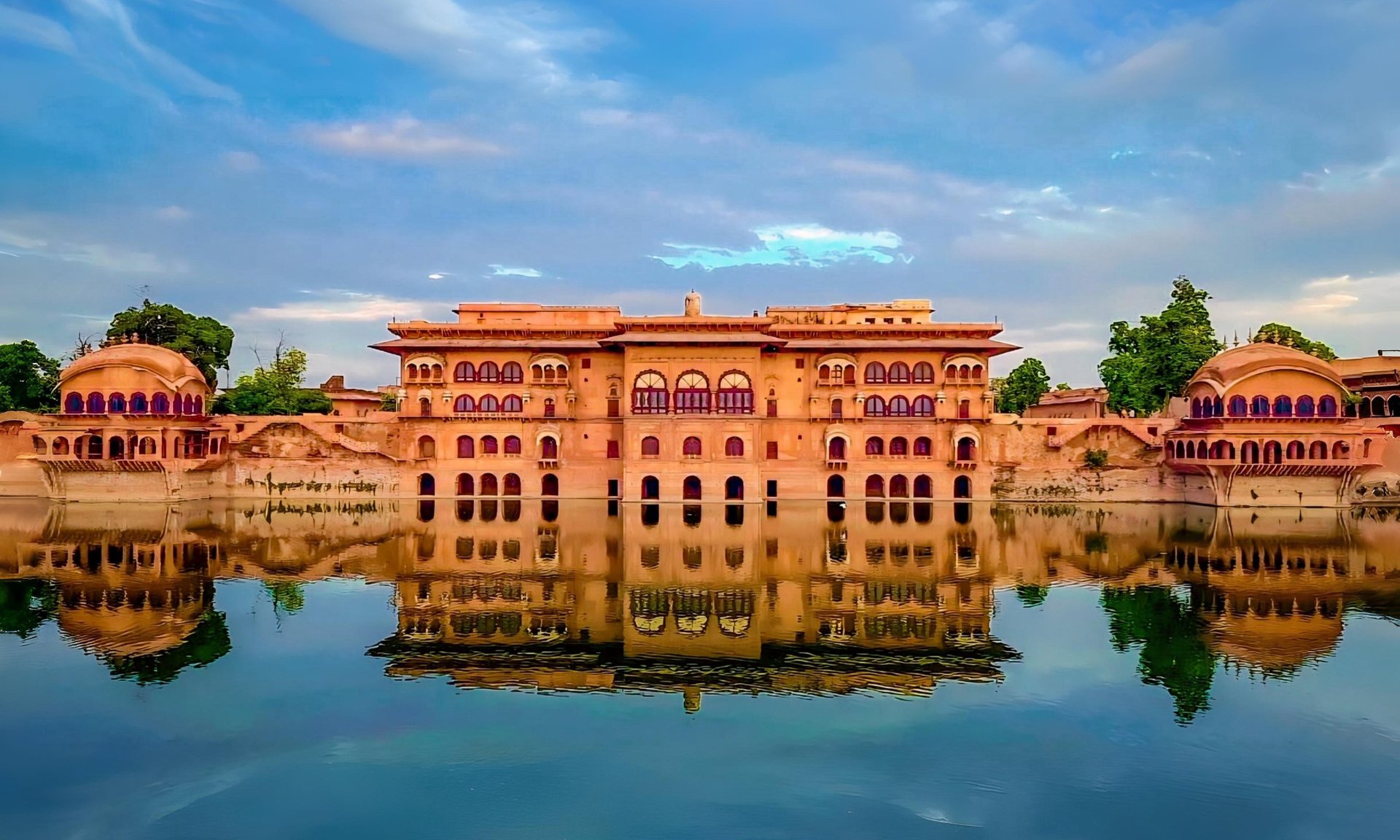
Deeg Palace stands as the most prominent landmark of the town. Built in the 18th century, the palace complex includes elegant pavilions, courtyards, fountains, and gardens inspired by Mughal architecture. The water systems and fountains were designed to function naturally, reflecting advanced engineering of the time.
The Jat rulers of Deeg were known for their bravery and military prowess. They successfully defended Deeg against multiple sieges, including attacks by Mughal forces and later British campaigns. The town's strategic location between Delhi, Agra, and Jaipur made it a significant political and military center in the region.
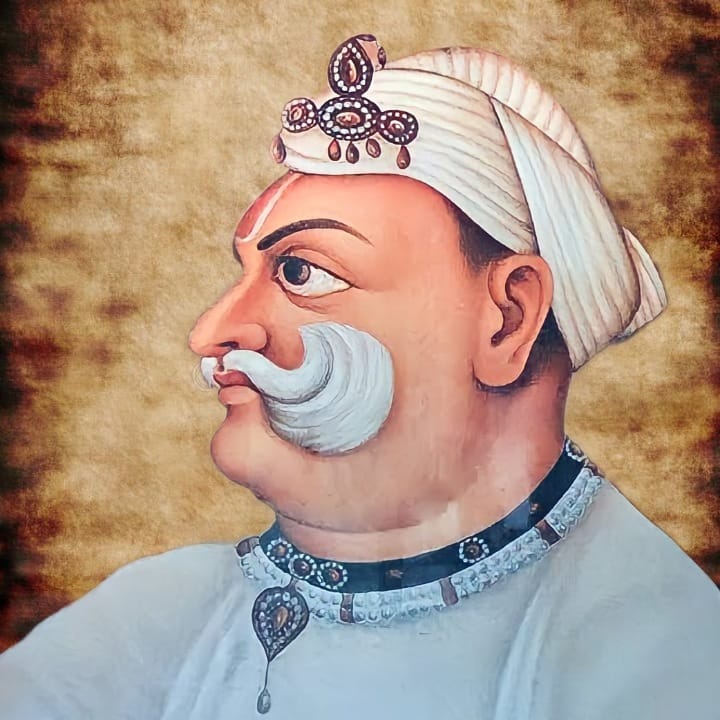
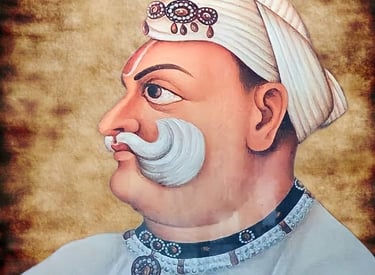
Maharaja Badan Singh
Founder of Deeg
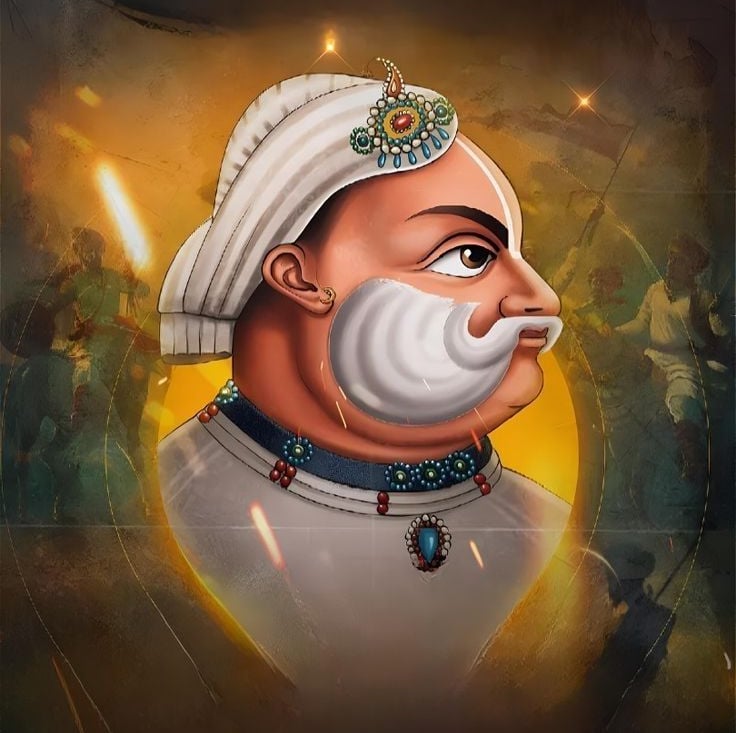

Maharaja Suraj Mal
Plato of the Jats
Maharaja Badan Singh is known as the founder of Deeg and built the early palace structures. Deeg was created with establishing the town as the headquarters of the Jat kingdom. He Also known as "Brajraj".
Maharaja Suraj Mal, son of Badan Singh, built the strong Deeg Fort (also known as Jal Mahal) in 1730, featuring massive walls and a moat to protect the palace including the, 900 fountains, and gardens. He also known as "The Iron Ruler of Bharatpur", "Invincible Warrior".
Cultural Importance
Culturally, Deeg reflects a blend of Rajasthani and Braj traditions. Festivals, fairs, and local customs continue to play an important role in the daily life of residents. The town maintains a strong connection to its heritage while gradually developing modern facilities and infrastructure.
The Braj cultural influence is evident in the music, dance, cuisine, and religious practices of the region. Festivals like Holi, Diwali, Janmashtami, and various local melas bring the community together and showcase the living traditions of the area.
Geography & Location
Geographically, Deeg is situated in the Bharatpur district region and serves as a local center for nearby rural areas. The town lies in the semi-arid plains of eastern Rajasthan, close to the border with Uttar Pradesh. Road connectivity links Deeg with Bharatpur, Mathura, and other nearby towns, making it accessible for visitors and residents.
The surrounding landscape features agricultural plains, seasonal water bodies, and the characteristic terrain of the Braj region. The climate is typical of the northern Indian plains — hot summers, mild winters, and a monsoon season that transforms the landscape.
Deeg Today
Today, Deeg is known for its historical significance, cultural identity, and growing role in regional tourism. With continued focus on heritage conservation and tourism development, Deeg holds potential to become an important cultural destination in eastern Rajasthan.
The Archaeological Survey of India (ASI) maintains the Deeg Palace complex, ensuring the preservation of this architectural treasure for future generations. Local efforts are underway to improve tourism infrastructure, promote awareness of Deeg's heritage, and develop sustainable tourism practices.
Contact
Get in touch with us to plan your visit to Deeg
📞 +91 7410946456
© 2025. All rights reserved.